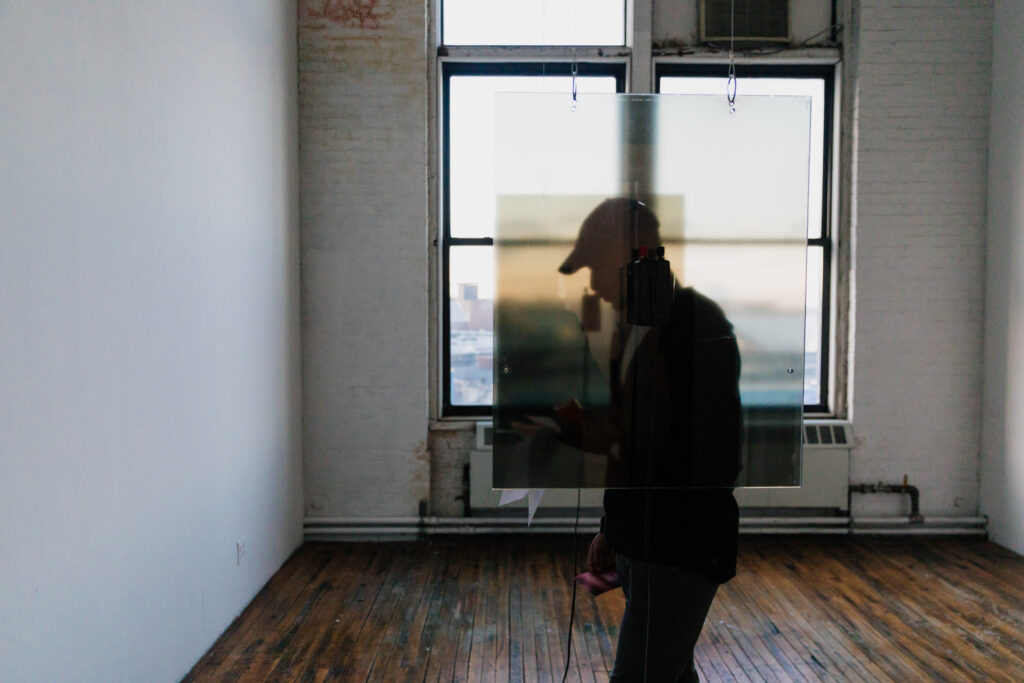
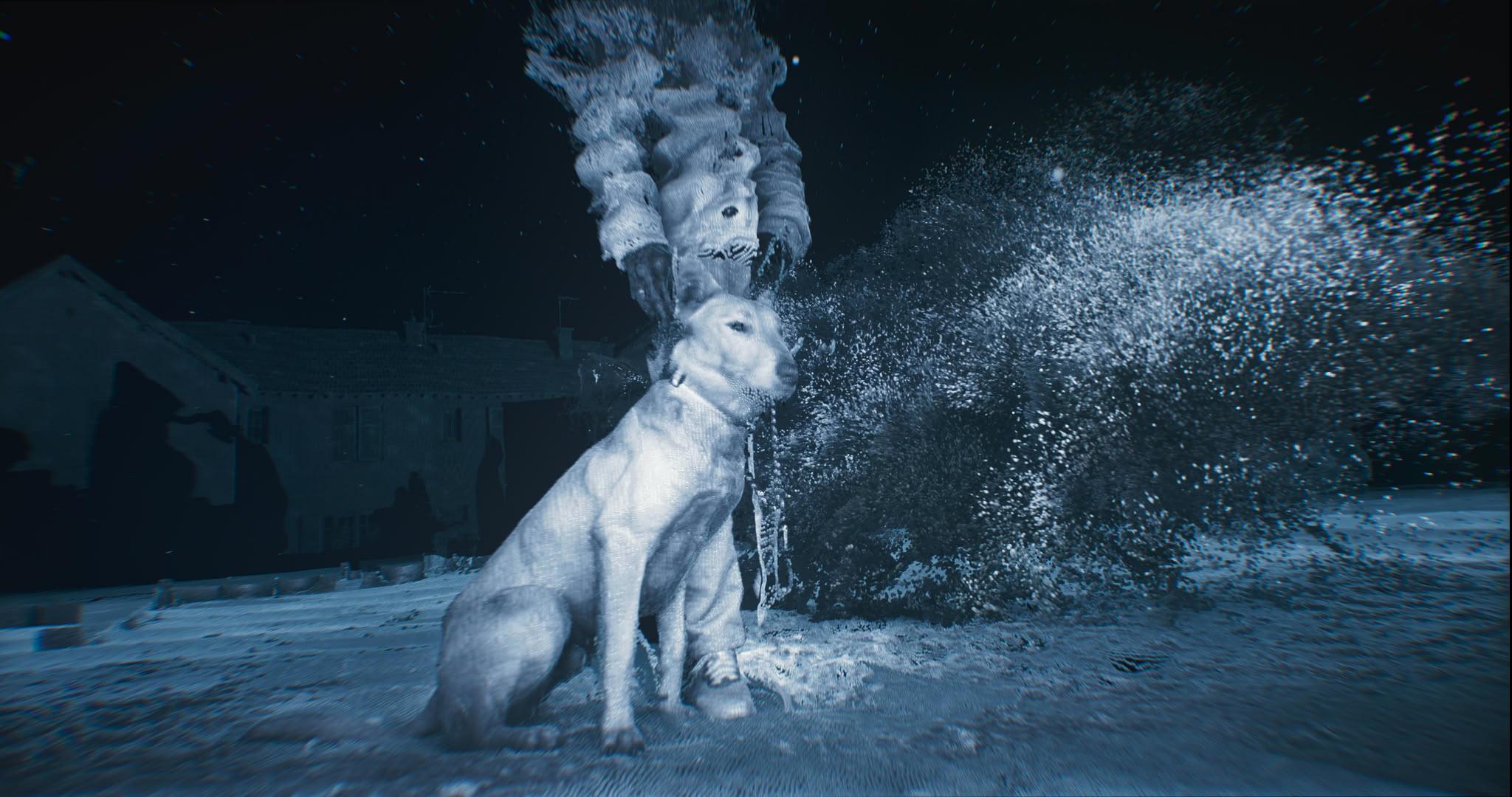
Mohamed Bourouissa's (b. 1978) short film The Genealogy of Violence is on display in the media space of the Saastamoinen Foundation's Dialogues collection exhibition until March 22.
The Genealogy of Violence is set in an ordinary French suburb, where a young French couple’s conversation about their future is abruptly cut off by a police intervention.
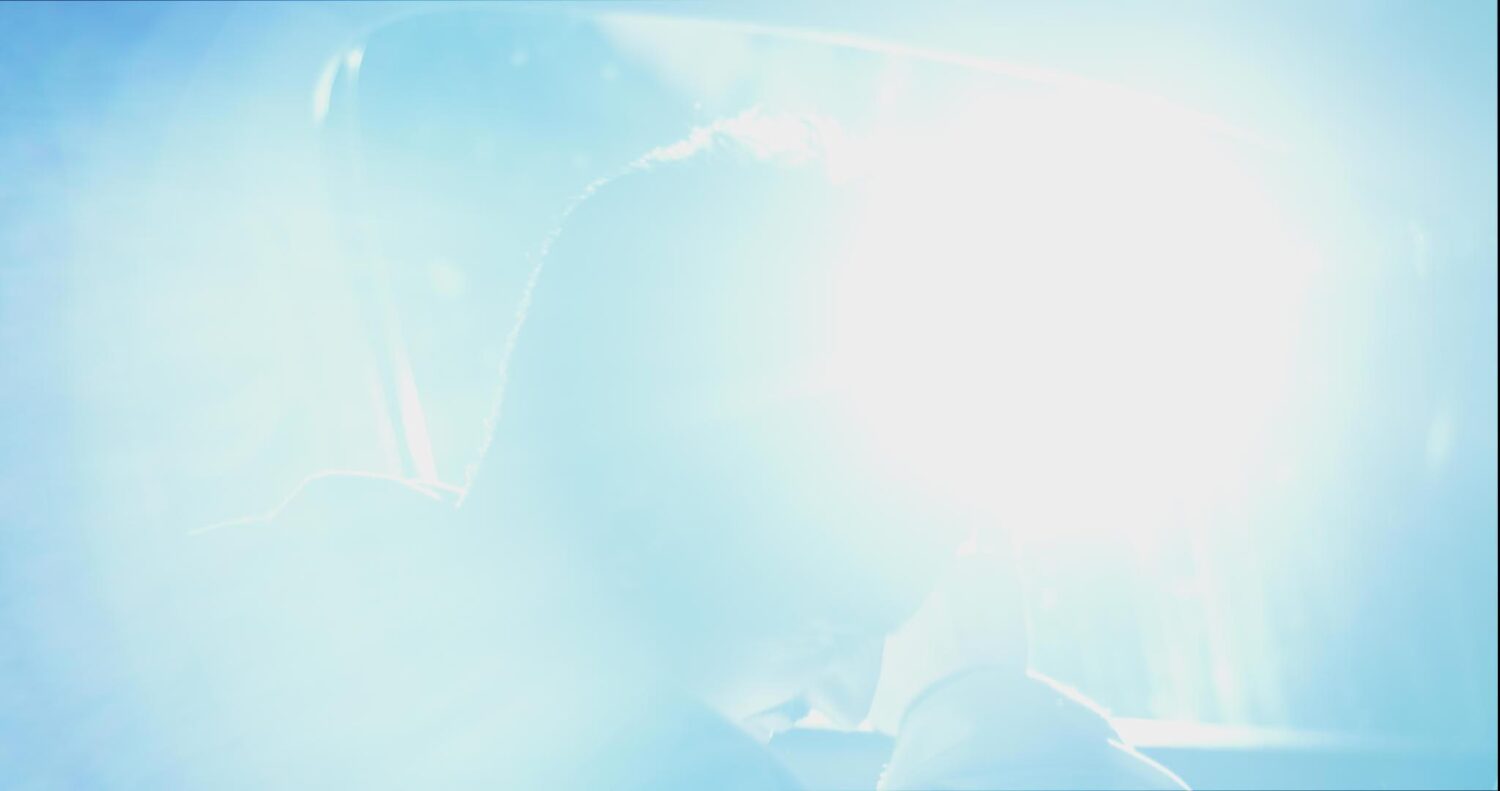
Mohamed Bourouissa, Genealogy of Violence, 2024. Video still. Saastamoisen säätiön taidekokoelma. © Mohamed Bouroissa ADAGP, Divioson.
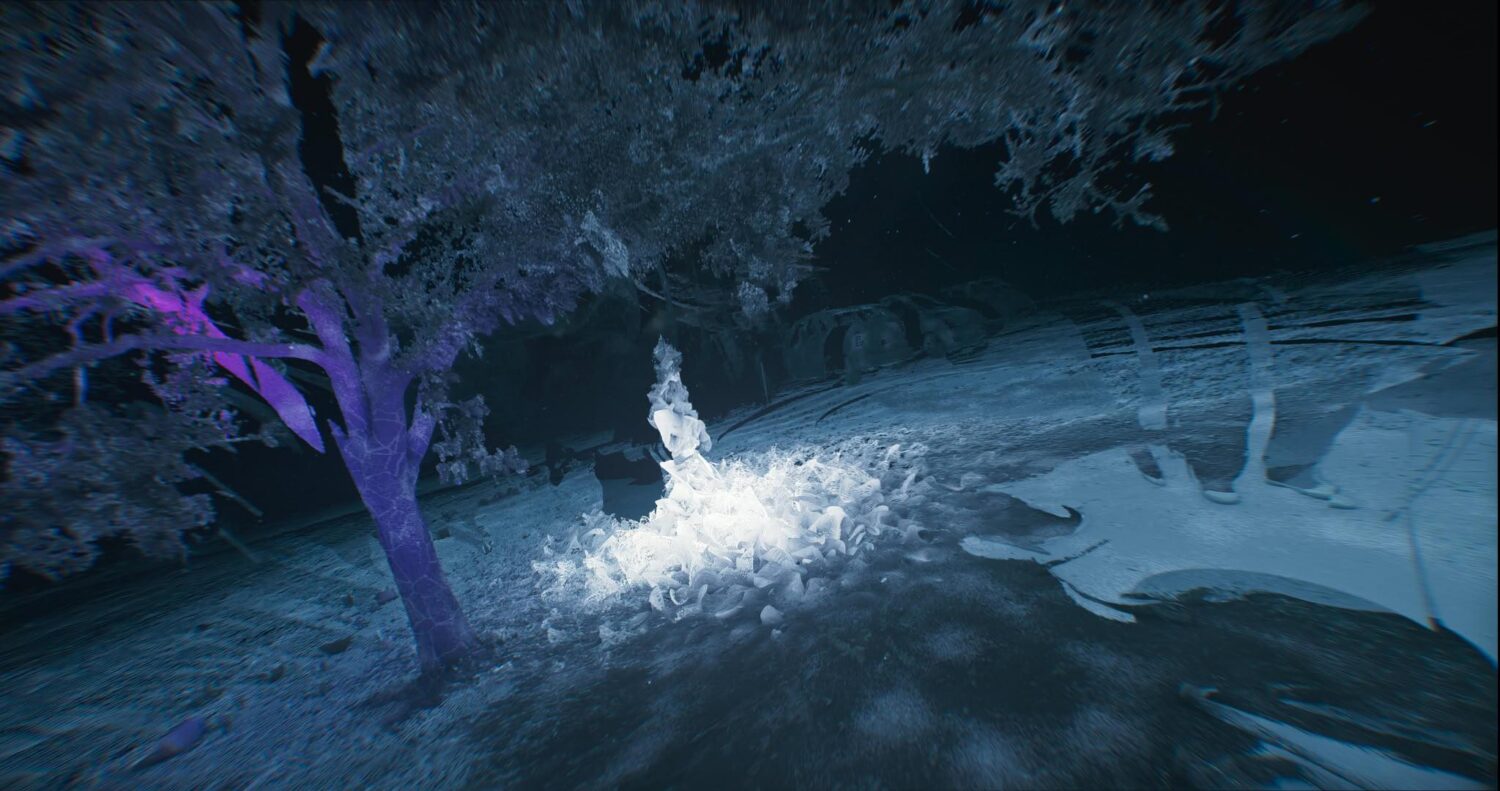
Mohamed Bourouissa, Genealogy of Violence, 2024. Video still. Saastamoisen säätiön taidekokoelma. © Mohamed Bouroissa ADAGP, Divioson.
The Genealogy of Violence immerses viewers in a visceral world of emotion and sensation, offering a glimpse into the experience of losing control over one’s own body. The film follows a young French couple whose conversation about their future is abruptly cut off by a police inspection. During a routine identity check, one of the protagonists is arrested.
The event triggers a cascade of emotions and inner turmoil that is conveyed through a nuanced array of special effects. The following dissociation is interpreted in the work through sounds, silences and tensions, digitally created visualization, and choreographed scenes that construct a dream-like escape from reality.
Mohamed Bourouissa on his work The Genealogy of Violence:
“ Imagine a film about police brutality, with no brutality. A film where nothing happens, yet you’re left baffled. Invisible violence, disguised under lawful humiliation. Domination wrapped in polite protocols. I started talking about making this short film back in 2018, but the idea of it was haunting me probably since the late 90s, when I started being constantly stopped by the police for “random identity checks”.
I felt a certain urgency to tell this very personal story.“
Mohamed Bourouissa (b. 1978, Algeria) is a Paris-based contemporary visual artist known for photography, video, and installation work exploring power dynamics, marginalization, and socio-economic tensions. His work focuses on themes of exclusion, urban youth culture, and post-colonial identities, often bridging documentary and fiction.
The work will be on view at EMMA until March 22, 2026.