
Epilepsy research at the University of Eastern Finland is building a database aimed at identifying clinical, genetic, and imaging-based prognostic factors, as well as blood-based biomarkers, that influence the prognosis and treatment resistance of epilepsy. Saastamoinen Foundation has granted EUR 645,000 in funding for the project for the years 2024–2027.
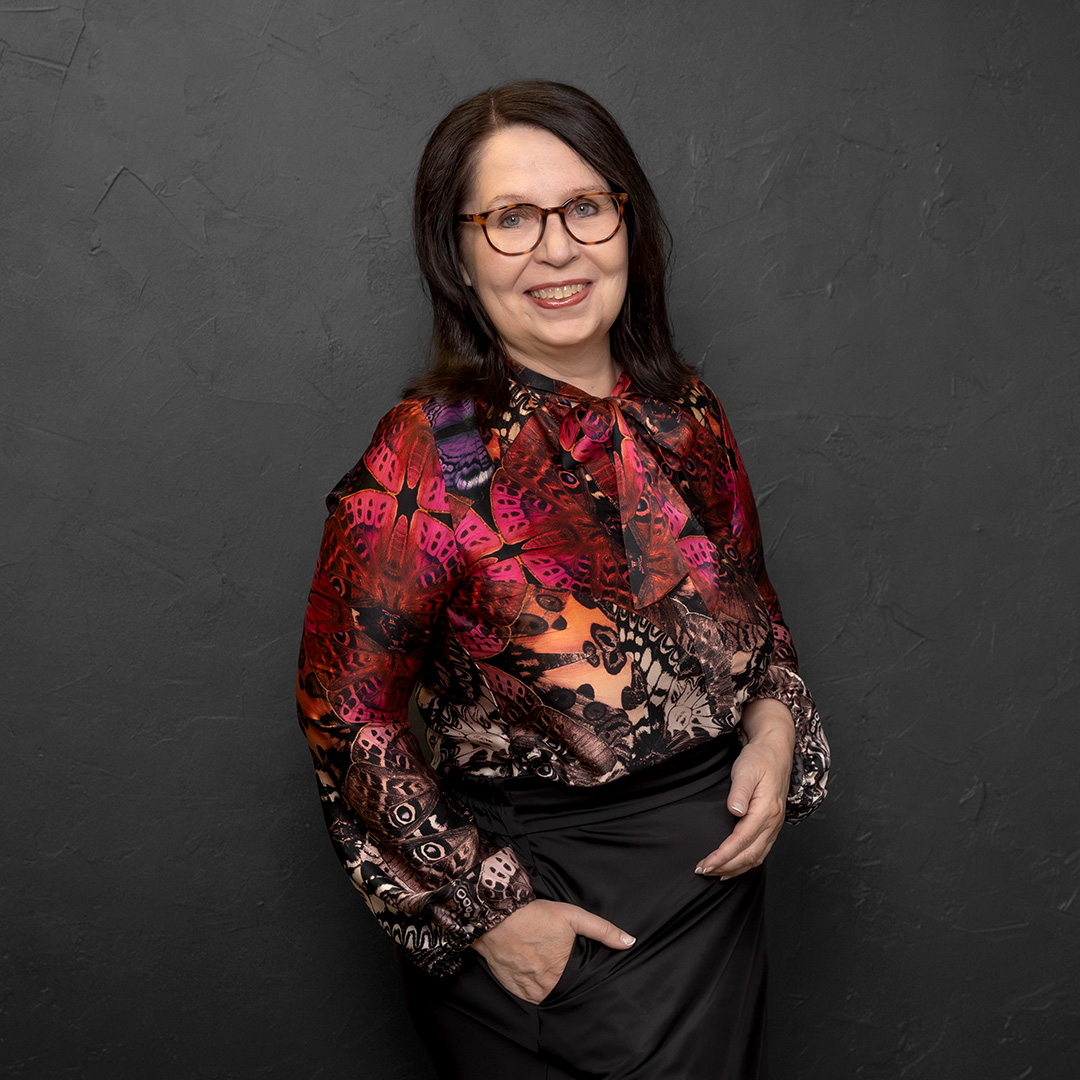
The research group is led by Reetta Kälviäinen, Professor of Neurology at the University of Eastern Finland and Director of the Epilepsy Center at Kuopio University Hospital (KYS). Photo: UEF
Epilepsy is a significant public health problem, with societal impacts comparable to those of breast or lung cancer. Epilepsy is not a single disease but a group of conditions differing by mechanism, clinical definition and prognosis. A significant proportion, approximately 30%, of patients with epilepsy do not respond favourably to current treatments, and the correct treatment method is often found through trial and error. Current treatments are symptomatic, but curative therapies are not yet available.
The research group is led by Reetta Kälviäinen, Professor of Neurology at the University of Eastern Finland and Director of the Epilepsy Center at Kuopio University Hospital (KYS). The group is building an extensive epilepsy database, which contains information on over 3,500 epilepsy patients, collected based on their informed consent.
Saastamoinen Foundation has granted EUR 645,000 in support to the University of Eastern Finland’s research project for the years 2024–2027. The aim of the research is to offer more personalised treatment in the future and to facilitate the discovery of curative therapies.
“Despite medical advancements, current epilepsy treatment is still largely based on trial and error. From the patient’s perspective, it would be much better if we could predict at the diagnostic stage who will develop difficult-to-treat epilepsy and act more effectively in these situations,” says Kälviäinen.
Active patient involvement advances research
Kälviäinen’s research group emphasises the importance of active patient involvement in research. Patients are not merely seen as research subjects but as experts in their own condition.
Collaboration with patients has led to concrete development projects, such as an electronic seizure diary, where patients record their own epileptic seizures. The information entered into the seizure diary is integrated into the patient’s medical record, enabling the utilisation of this data for treatment monitoring, finding suitable treatment methods, and research.
“Patients respond positively to this and are keen to participate in the research,” Kälviäinen states.
AI also enhances research work
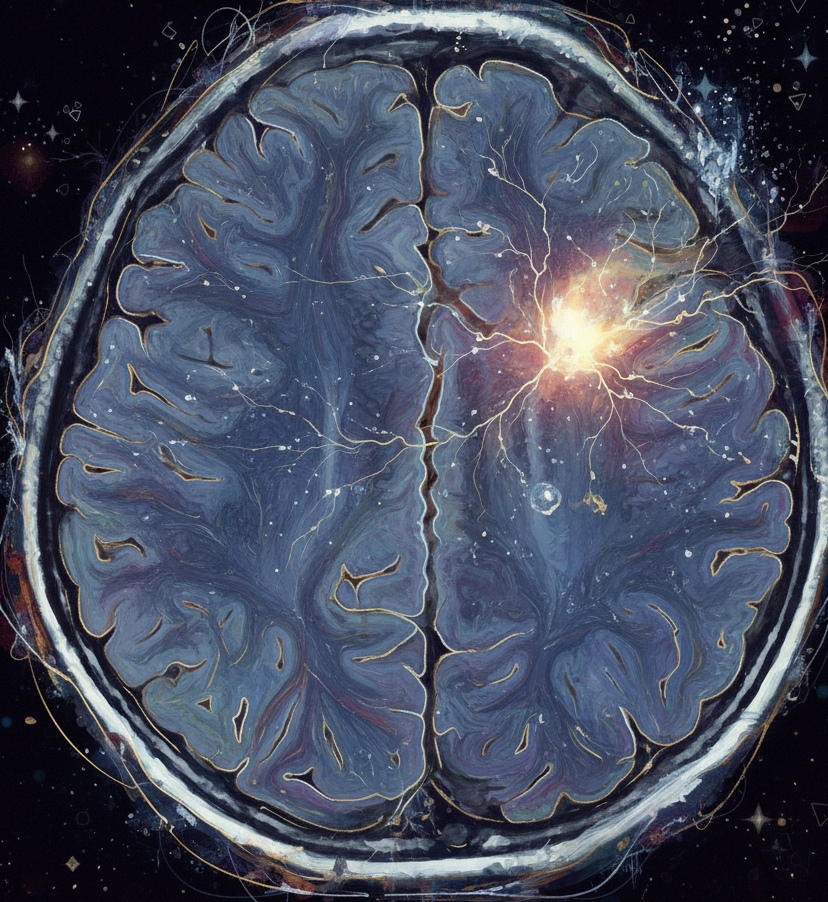
The Finnish epilepsy database is also part of international research projects where AI is used to accelerate diagnosis. AI tools can, for example, identify changes in imaging that the human eye might not detect. The University of Eastern Finland’s research project collaborates with Great Ormond Street Hospital for Children in London to develop magnetic resonance imaging (MRI) techniques that, with the help of AI, can detect epilepsy-causing changes in the brain with even greater precision.
“In addition to imaging, AI is also used in processing large datasets. Combined datasets already contain so much information that human intellect is insufficient to analyse all of it, which is why AI is also utilised in handling these large volumes of data,” Kälviäinen explains.
Future vision of providing fully personalised treatment
Genetics plays an essential role in epilepsy research. Finland has unique forms of epilepsy belonging to the Finnish disease heritage, such as progressive myoclonus epilepsy (EPM1), also known as Unverricht-Lundborg disease.
“The data collected here in Kuopio on EPM1 patients is unique globally. Long-term research and precise descriptions of the natural progression of EPM1 in these patients form an invaluable basis for developing future treatments for the disease. Elucidating the genetics provides a foundation for future gene therapies,” Kälviäinen emphasises.
Kälviäinen’s research group envisions creating a dynamic system that enables more personalised treatment, improving quality of life. In the future, the database can be utilised for developing diagnostic and treatment methods in collaboration with pharmaceutical and medical device manufacturers. KYS’s Epilepsy Center is also a full member of EpiCARE ERN, the European Reference Network for rare and complex epilepsies, and participates in significant international collaboration through it.
“The database is never complete; it is continuously being built upon. The project’s goal is to provide patients with more information about their condition and to facilitate individual treatment through better monitoring and more effective therapeutic approaches,” Kälviäinen concludes.
The collaboration between Saastamoinen Foundation and the University of Eastern Finland encompasses several research projects and scholarship programmes with the Fulbright Finland Foundation. Currently, the Foundation’s support enables important scientific breakthroughs in epilepsy research, water research, and the forest bioeconomy.