
Saastamoinen Foundation is supporting the University of Eastern Finland’s research in sustainability law and economics with EUR 1.7 million for the years 2024–2028. The aim of this interdisciplinary research is to identify and dismantle structural factors within economic and legal systems that hinder the achievement of a sustainable future.
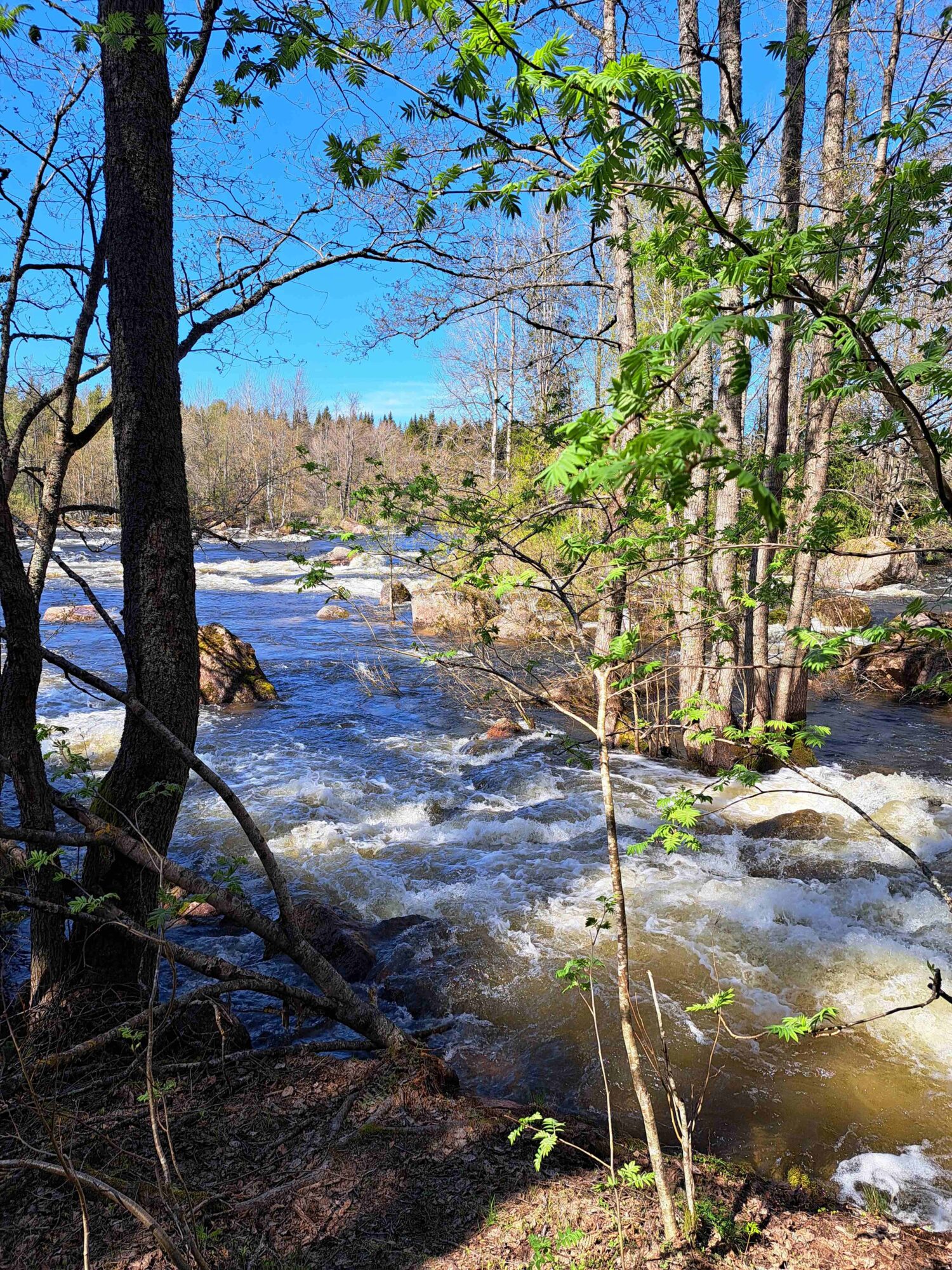
The upper part of the Kymijoki river, awaiting salmon. Photo: Antti Iho, UEF
The research is divided into macro- and micro-level components
Macro-level research focuses on examining broad societal systems, such as the economy and law, as a whole in Finland and the EU. Postdoctoral Researcher Teemu Koskimäki from the University of Eastern Finland and his team are developing an ecological macroeconomic model for analysing a sufficiency-based economy, which considers both adapting consumption to planetary boundaries and large-scale nature restoration needs. This model can be used to assess, among other things, the resilience of public finances during an economic transition, at a time when there is uncertainty regarding the continuation of economic growth.
“Understanding this is crucial, as our current pension, social security, and education systems are built on growth, even though economic growth is a key reason for exceeding planetary boundaries,” explains Professor Niko Soininen, the project leader and Professor of Environmental Law.
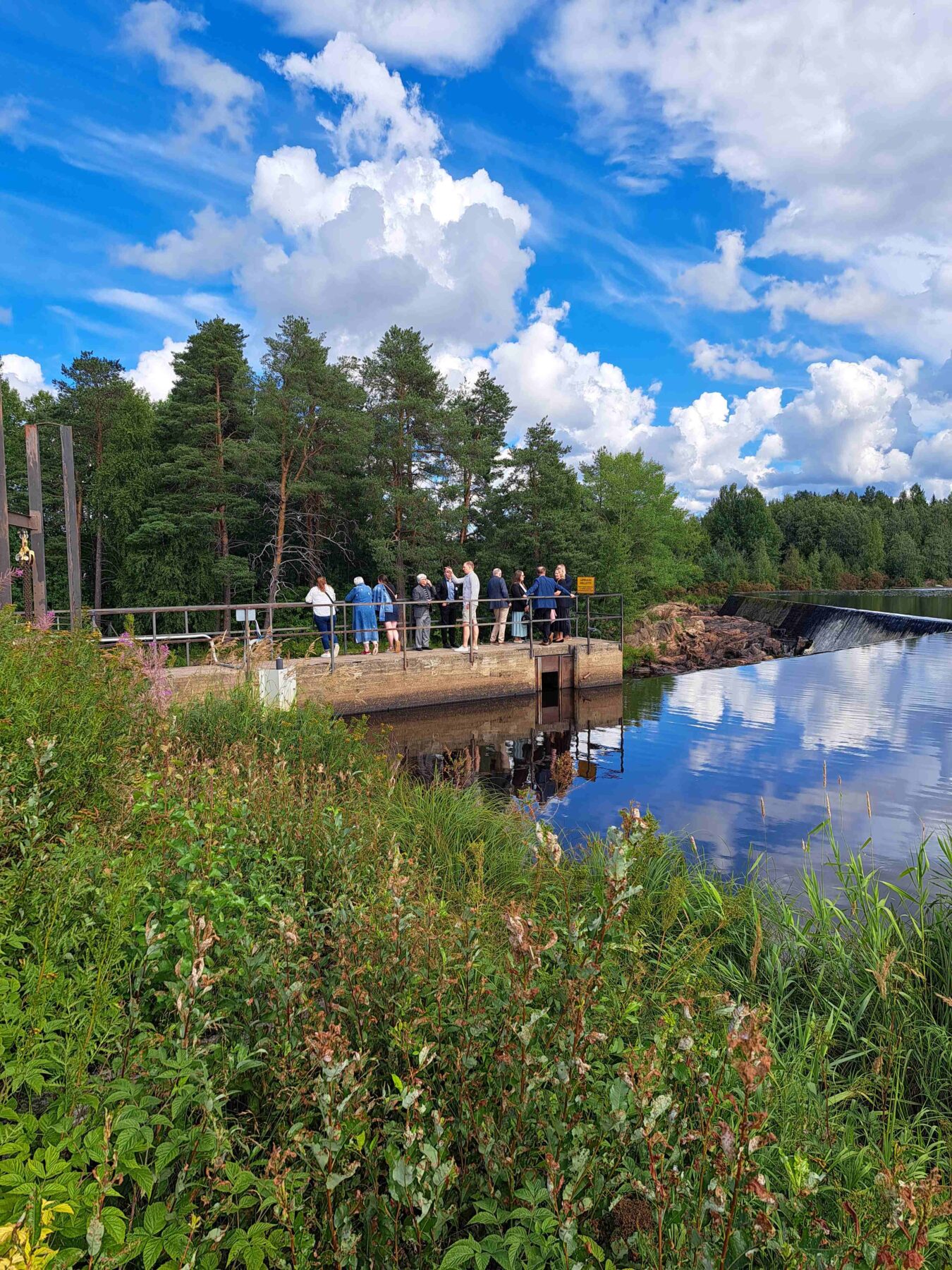
In addition to the pursuit of continuous economic growth, current legislation and the broader legal system also hinder the sustainability transition. The research examines the legal systems of Finland and the EU and identifies counterforces to the sustainability transition. One hindering factor is the protection of property rights, which has been found to be too broad in relation to the public interest and sustainability objectives. Furthermore, the permanence of administrative permits, such as perpetual operating permits granted to hydropower plants, conflicts with sustainability goals, including the requirements of the EU Restoration Regulation and the Water Framework Directive.
Alongside the macro-level research, micro-level research focuses on concrete restoration projects and their impacts, such as the restoration of freshwater ecosystems and dam removal in Finland. The research specifically examines the economic and legal obstacles and opportunities for freshwater ecosystem restoration. Research Director Antti Iho and his team are carrying out this part of the project. The focus is particularly on smaller-scale hydropower plants, the dismantling of which does not significantly impact the functionality of the electricity grid but has considerable positive impacts on biodiversity.
Research for a more sustainable world
“Saastamoinen Foundation’s support has played a truly decisive role in enabling research in sustainability law and economics, and in the work for a more sustainable and just world,” Soininen notes.
The interdisciplinary research conducted in the project aims to support businesses, communities, and decision-makers in building a more sustainable world, and to help societal actors identify and transform structural barriers through conscious choices. The research seeks to curb the use of natural resources and build systems that operate within planetary boundaries, while safeguarding fundamental rights and well-being for all people.
The University of Eastern Finland aims to develop research in sustainability law and economics into a globally leading discipline. The project already has international cooperation with, for example, the Universities of Oslo, Utrecht, and Pisa.