In the opening keynote lecture of the series, Assistant Professor Astrid Huopalainen emphasized that creativity and entrepreneurship are not opposites, but mutually reinforcing forces. She highlighted three key growth areas for the Nordic creative industries; new business models that boldly combine ideas and materials, the strengthening of the experience economy, where Nordic aesthetics and sustainability become competitive advantages, and BIZ + ARTS innovation, where artistic thinking meets business and technology. Huopalainen also emphasized that visibility based on identity and storytelling is vital in the global attention economy.
The Copenhagen keynote speaker, PORTIA founder Ana Kristiansson, challenged creative professionals to utilize technology – especially artificial intelligence – in a way that strengthens humanity, purpose and responsibility. His practical ACTION framework and Authentic Design Spiral method helped participants systematically move ideas towards innovations that stem from ones own values.
In Stockholm, Professor Emma Stenström examined the creative industries as a complex ecosystem where weak ties, border crossing, and curiosity drive innovation. She reminded us, that the true economic value of the industry has long been underestimated, and that future growth comes from system-level collaboration, not from individual successes.
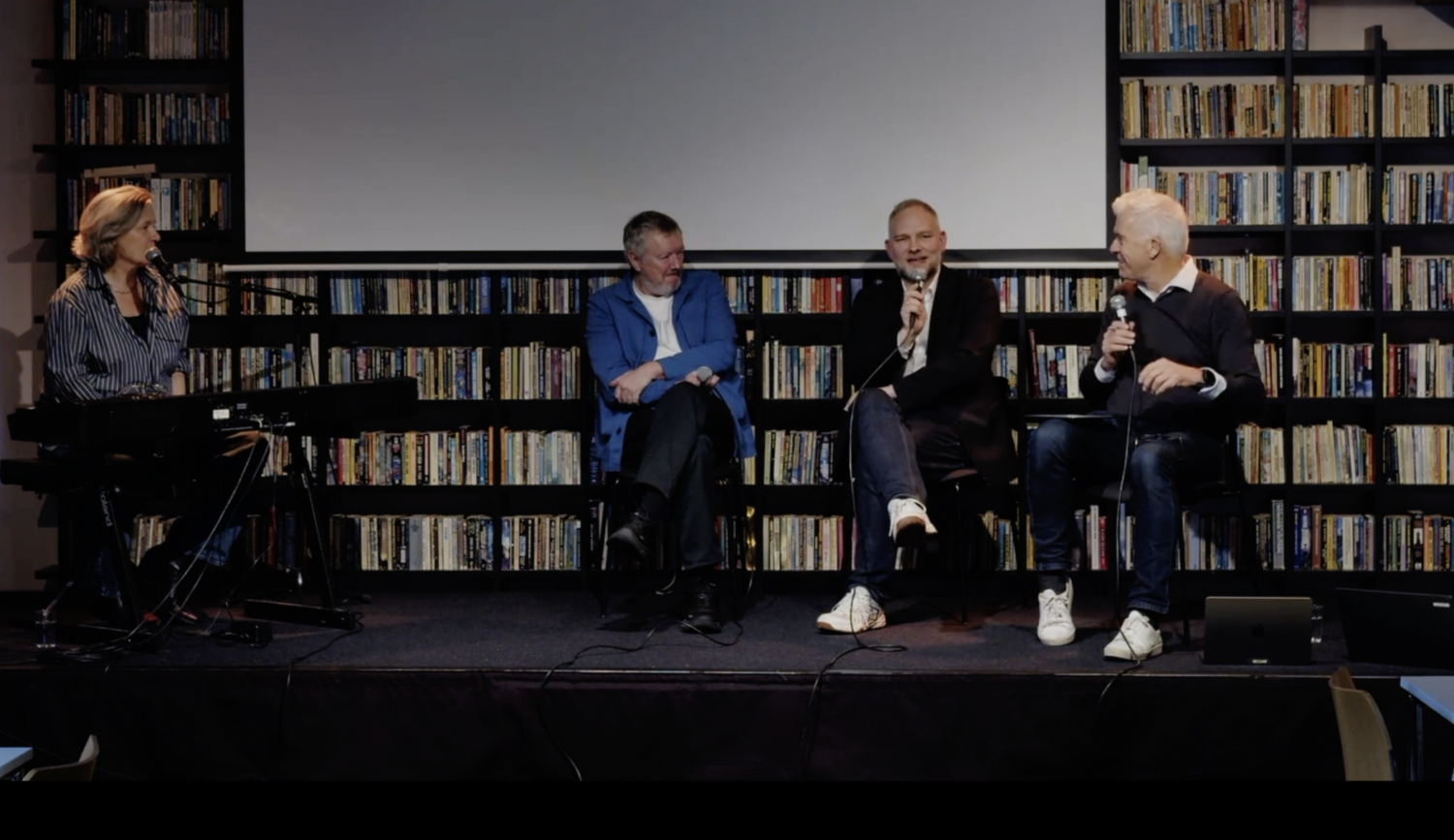
A panel discussion in Oslo highlighted the idea that uncertainty is not a threat to the creative industry, but a strategic resource. Architect Kjetil Trædal Thorsen, artist Ingrid Bjørnov and media entrepreneur Fredrik Fottland described how career turning points and chance can fuel bold growth.
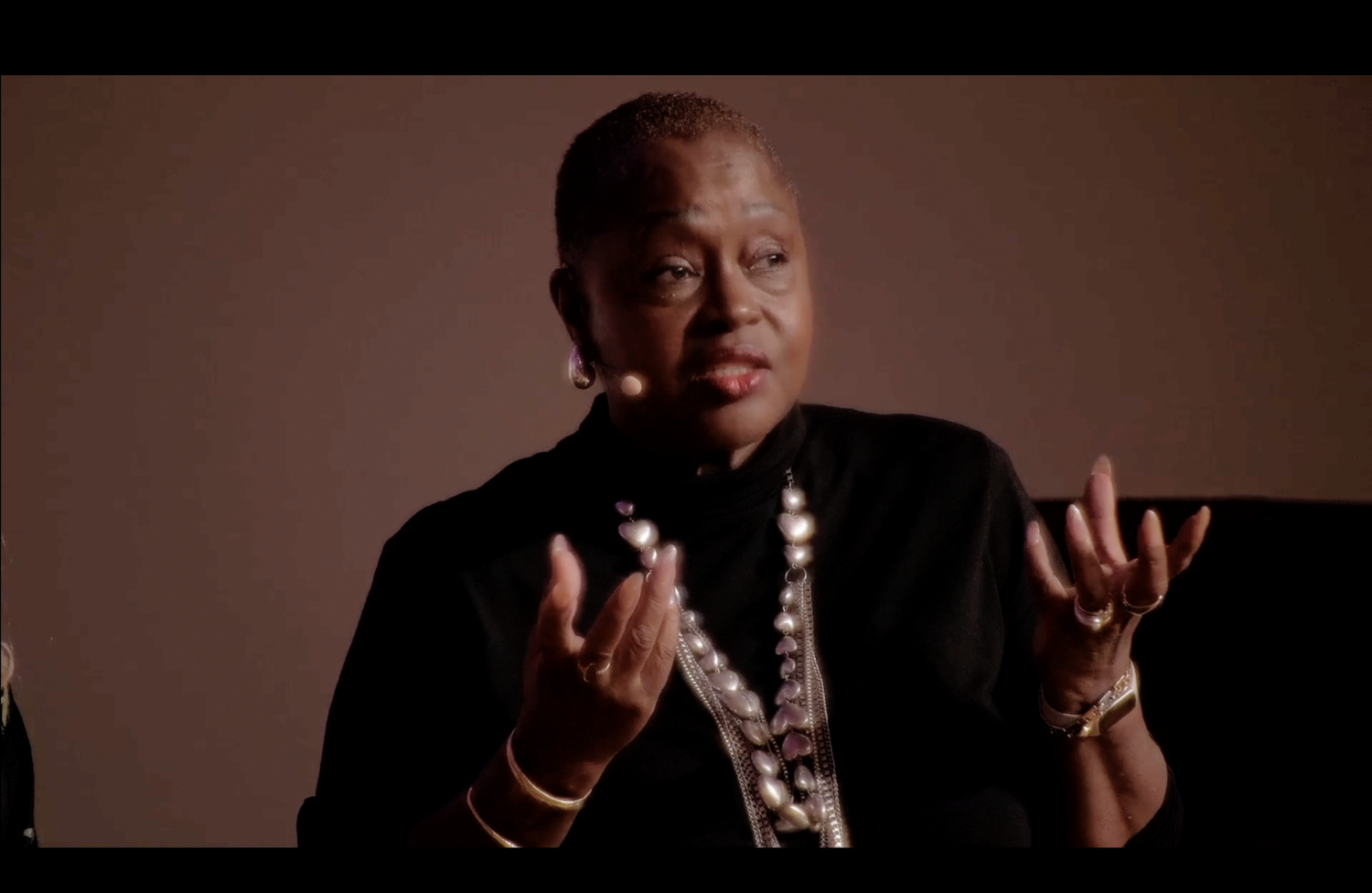
Keynote speakers Hilary Carty (Clore Leadership) and Kaisa Rönkkö (Sibelius Academy) highlighted the importance of human values and well-being in the future of creative work, the need for Nordic-Baltic cooperation and a common “Nordic wave” and the role of art, both as an economic and democratic resource. Rönkkö emphasized that human-driven creativity is the region’s real competitive advantage in a time when technology scales faster than ethics.
Overall, the Creative Ventures series offered participants practical tools for business, financing and design, as well as support for identity work and storytelling, concrete examples of Nordic artpreneurship, professional networks that continue after the events, and the opportunity to develop new collaboration concepts across borders.
The Creative Ventures series showed that the Nordic and Baltic countries can become a globally significant force in the creative economy if artistic expertise, entrepreneurship, technology and regional cooperation are systematically combined.
Read more about the programme on the Aalto EE website, or the Creative Ventures compilation.