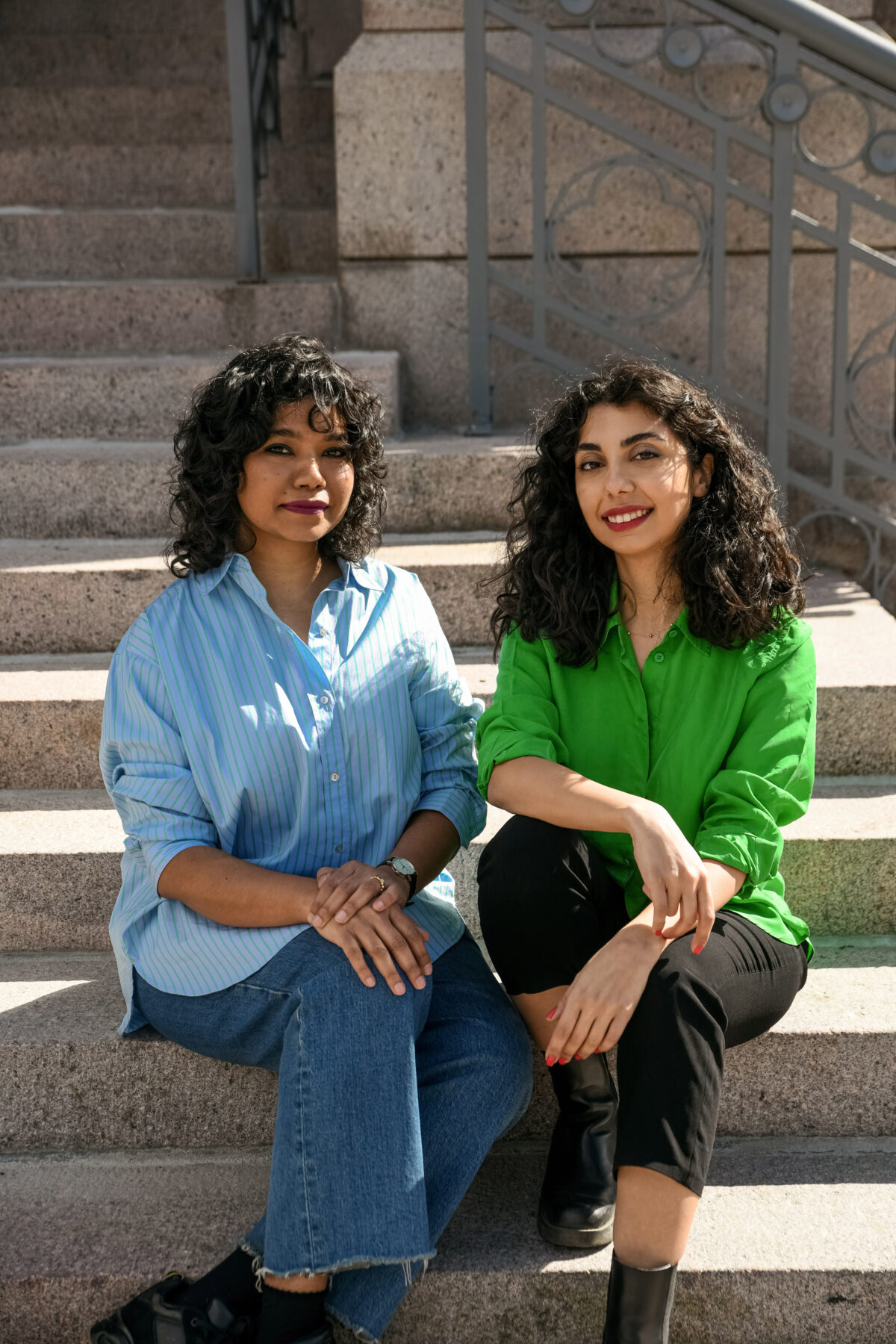
Elham Rahmati and Vidha Saumya have spent six years transforming a pandemic-era frustration into one of the most distinctive voices in contemporary art publishing in Finland. Their magazine, NO NIIN, has grown from a local response to Finland's sparse critical landscape into an internationalist project connecting voices and ideas across geographies. We spoke with the co-editors about collaboration, compromise, and why courage matters more than ever in cultural journalism.
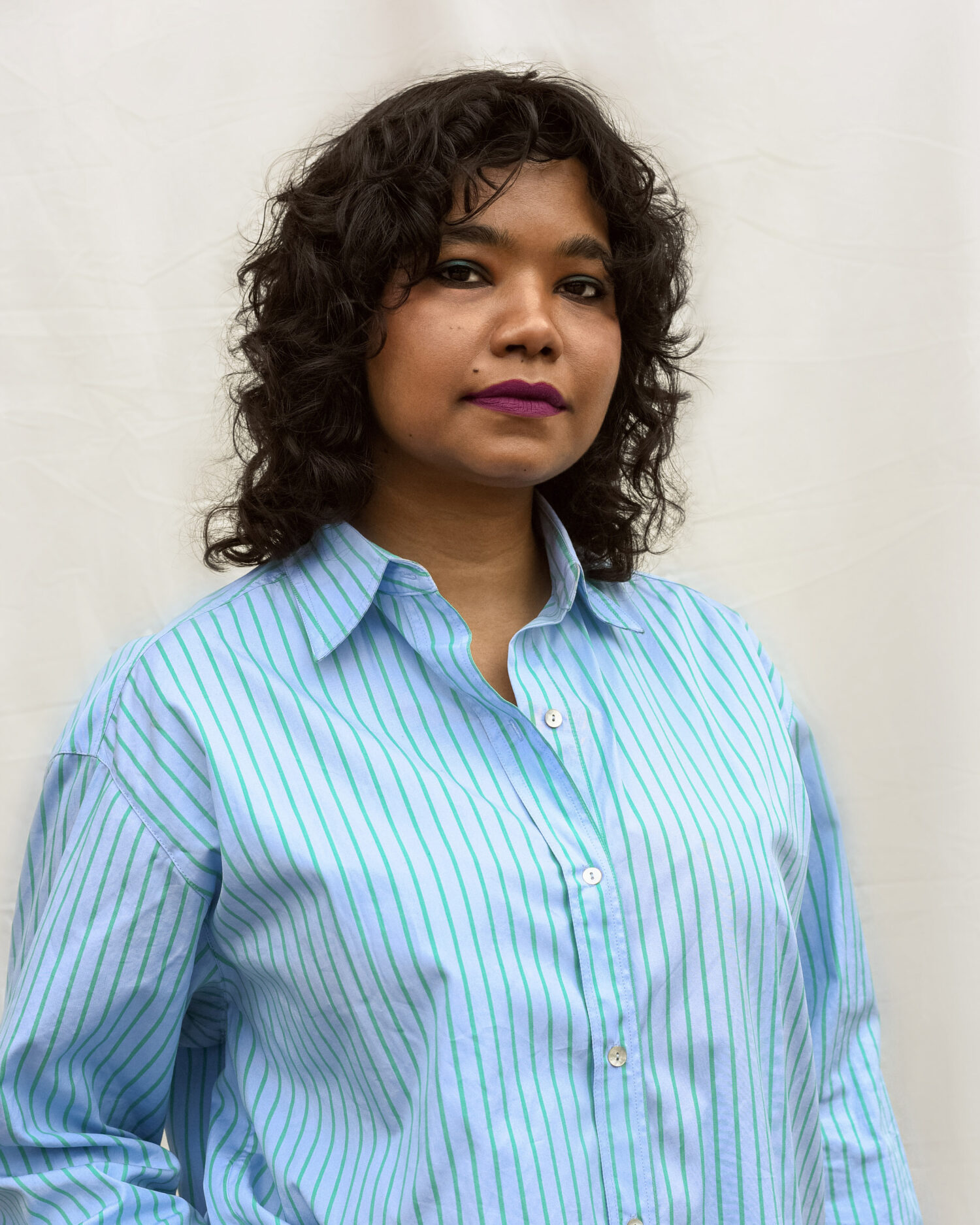
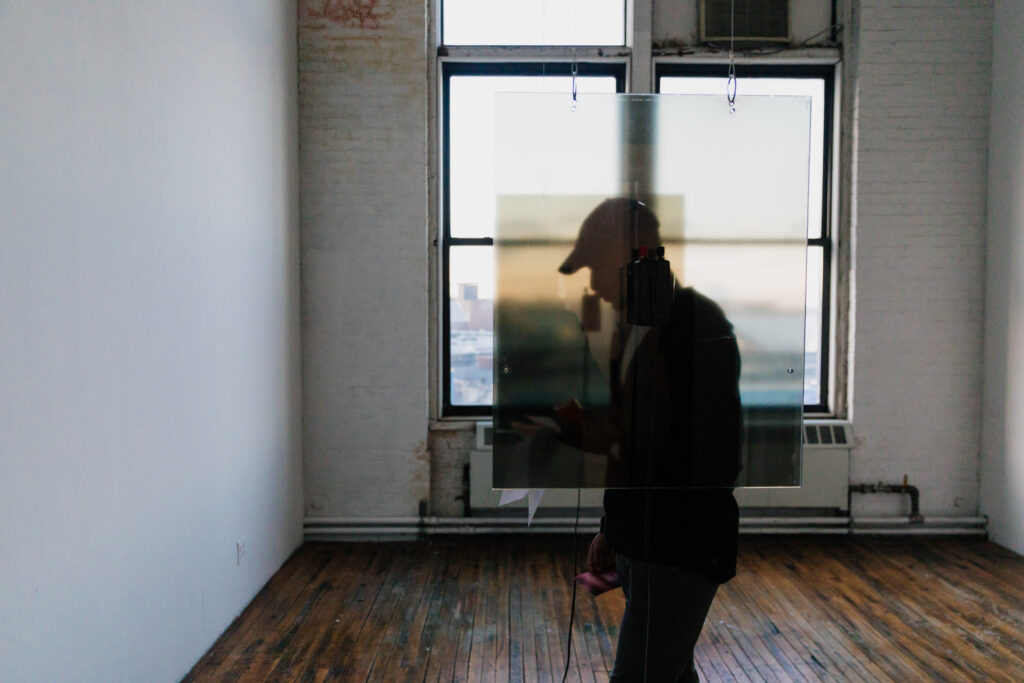
Vidha Saumya. Photograph: Salamata Mboup.
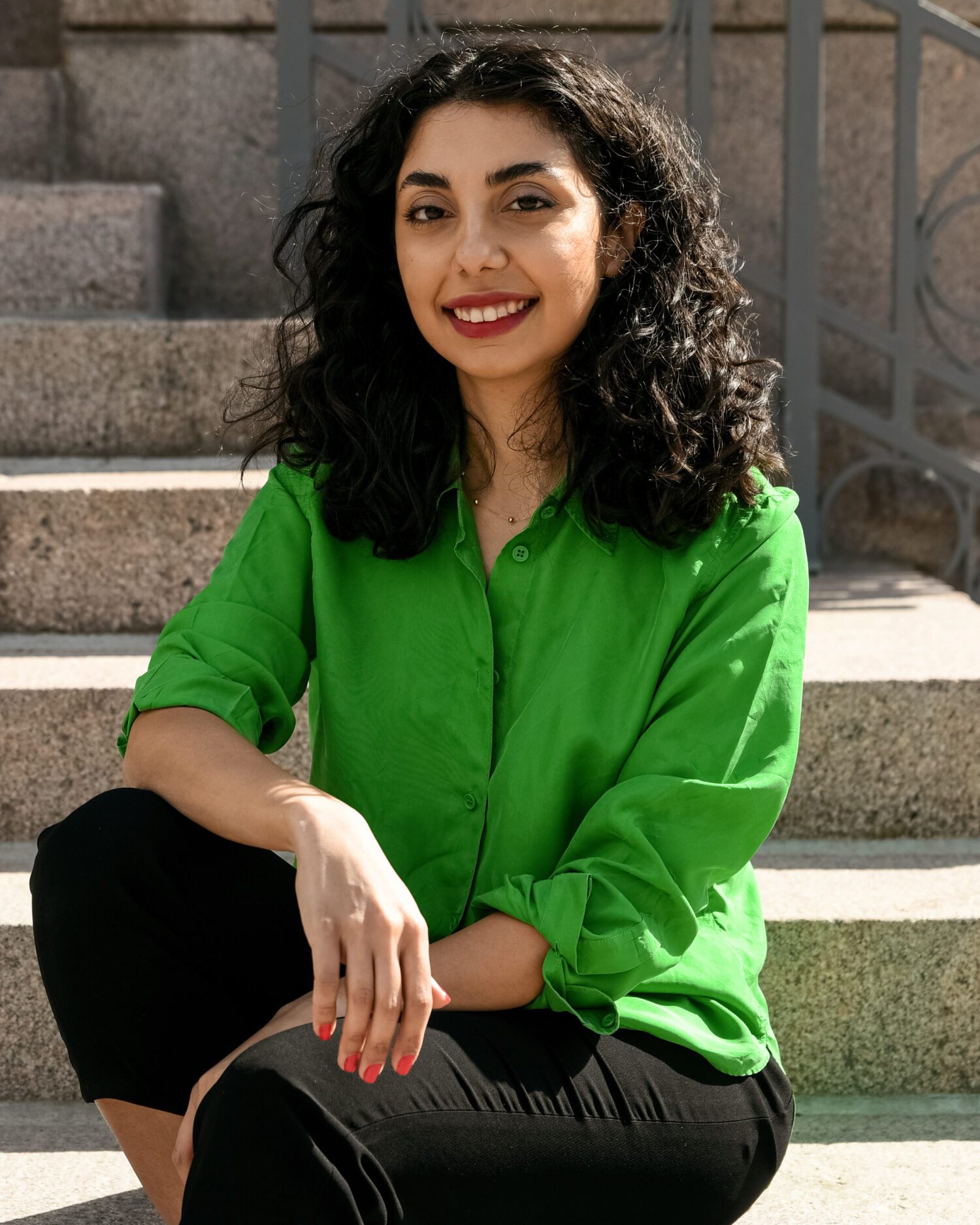
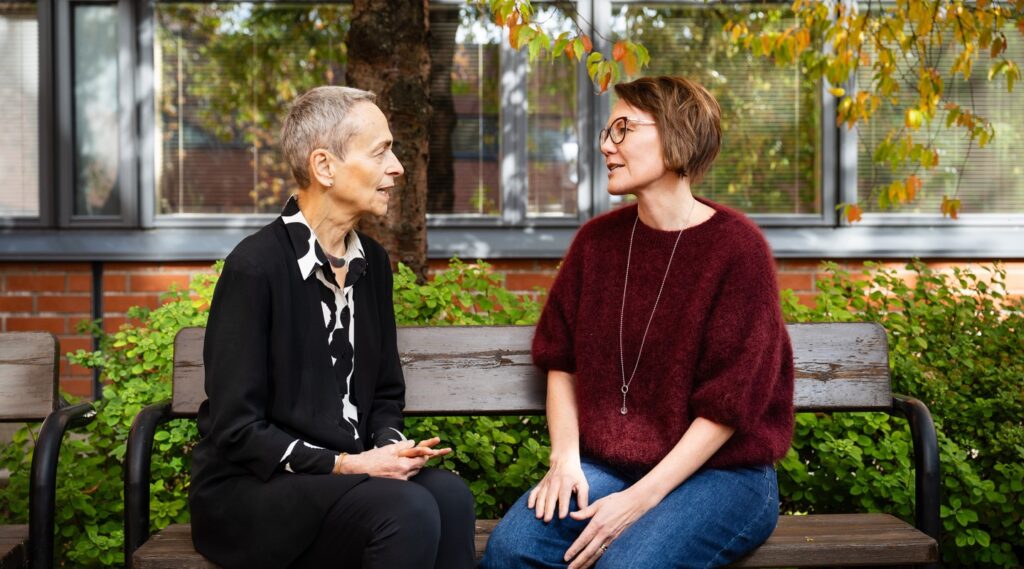
Elham Rahmati. Photograph: Salamata Mboup.
NO NIIN is an independent online magazine founded in Helsinki in 2021 that publishes writing and artistic work at the intersection of art, culture, and critical thought. Functioning as a platform for commissioning writers of any background to express their thoughts, NO NIIN features essays, interviews, research, poetry, and visual art that engage with questions of power, inequality, and social change, with a focus on internationalist, feminist, anti-colonial, and anti-imperialist perspectives. Saastamoinen Foundation has supported NO NIIN’s publication activities in 2023, 2024, and 2025.
When Elham Rahmati and Vidha Saumya began discussing the possibility of a new arts magazine during the isolated months of 2020 during COVID-19 pandemic, they were driven by what Rahmati describes as “a shared frustration with the absence of a publishing space that critically engages with Finland’s art scene.” The existing outlets published infrequently and limited themselves to brief exhibition coverage. For two editors with roots in the rich magazine cultures of Iran and India, the gap felt glaring.
”Having grown up in the rich magazine cultures of India and Iran, it felt like the most natural thing to do, because that kind of inspired space was missing in cultural journalism in Finland, at least in English,” Saumya explains. “And the lockdown period gave us time to think thoroughly and devise a sound proposal and work the next steps with enthusiasm and conviction.”
What emerged was NO NIIN, a magazine that now has 34 online issues, 4 print publications and has published work by over 450 contributors and earned recognition including Finland’s Regional Art Prize for 2025.
From Local Project to Internationalist Platform
The magazine’s evolution has surprised even its founders. Early issues featured essays on scheduled boredom for academics, letters to the Museum of Bad Art, poems, and playlists. By their 29th issue, NO NIIN tackles Indigenous climate justice in Brazil and Palestine, student-led movements against university complicity in genocide, the queering of Palestinian resistance as a colonial tool, and the intellectual legacies of Coptic thinkers in Egypt. All in the same issue.
“This is not eclecticism for its own sake,” Rahmati says. “It comes from a conviction that struggles against colonialism, dispossession, and state violence are not local affairs that happen to resemble one another — they are structurally connected, and understanding them requires thinking across borders, not just gesturing at them.”
Saumya describes a distinctive editorial approach: “Nothing neatly packages a topic into a fixed position. A writer from India living in the Netherlands might write about caste oppression in academia as experienced in the West. So, it’s really about how any political, geographical, personal, or cultural location can be used to mount a completely different topic, because it is always a matter of the perspective from which we speak.”
The magazine’s commitment to accessibility extends beyond content to economics. All writing remains paywall-free. “The point is access, not prestige,” Rahmati explains. “Our readers in Helsinki and our readers in Tehran or São Paulo should be able to open an issue and find something that speaks to where they stand.”
NO NIIN is not the only thing evolving along the way. The editors also find themselves changed, personally, and in their work, whether through current events or exchanging perspectives. “Many of us are not the same post-October 7. I could no longer wake up every morning, look at my phone, watch a live-streamed genocide in Gaza, and continue living as before — concerned with the same things I had been. This has undoubtedly reflected in our editorial direction,” explains Rahmati.
“What continues to surprise me is that even after working with over 450 contributors and thus that many perspectives, with every new commission we are exposed to topics and positions that make us question our purviews and understanding,” says Saumya. “Many texts actively and subliminally build solidarity with the work we have published over the years.”
“In that sense, the magazine has become a platform we aimed for: where contributions are in dialogue with one another helping push the conversation forward.”
Compromises and Convictions
The past year has tested the magazine’s resilience. Current funding uncertainty in Finland has forced painful compromises in NO NIIN’s work as well: fewer issues, lower payments, the end of print editions, surrendering their office space.
“Lowering payments has been the hardest compromise,” Rahmati admits. “I feel genuinely awful about it. I know how much time, work, and research goes into writing an essay or a review.”
Yet certain things remain non-negotiable. “What I would refuse to let go of, no matter the cost, is our solidarity with Palestine and our shared resistance to imperialism, colonialism, and every form of discrimination and oppression,” Rahmati says.
“What I’m really proud of is that through all of that, we have not let go of our desire to publish everything we do with a sense of critical reflection – in genuine collaboration with writers, finding a rhythm that works best for the work itself. And not being afraid of saying what we want to say,” Saumya reflects. “Finding solidarity and learning from each other remain essential, reflecting in the texts we publish.”
What Cultural Journalism Could Be
Asked what they wish for in the broader landscape of cultural journalism, both editors highlight the question of courage.
“I wish for more criticality, more passion — and less fear and conservativeness,” Rahmati says. “So much of what passes for cultural journalism still operates within extremely safe parameters: careful not to alienate funders, careful not to upset institutions, careful to remain on good terms with the very structures it should be interrogating. There is a particular kind of timidity that dresses itself up as professionalism.”
Saumya envisions “a rich, vibrant ecosystem of publications that are experimental, unafraid, intellectually playful, and challenging, offering meaning and value to someone just entering the field as well as someone who has been immersed in it for years.”
For NO NIIN, the path forward is clear, even if uncertain.
“It’s the feedback we receive from readers about how much NO NIIN has changed the way they view the world — not just the art world,” Saumya reflects. “What more could we want? I only want us to be able to continue and keep growing and evolving along with our readers and contributors.”
NO NIIN publishes online at noniin.com. Back issues and contributor archives are freely accessible.
Elham Rahmati (b. 1989, Tehran) is a visual artist based between Helsinki and Tehran. She is the co-founder and co-editor of NO NIIN, an independent online monthly magazine at the cusp of art, criticality, and love. She has worked as the curator and producer of the Academy of Moving People & Images (AMPI), an independent film school in Helsinki, and as a curator at Third Space. Elham holds an MA in Visual Arts from the Accademia di Belle Arti di Firenze and an MA in Visual Culture, Curating, & Contemporary Art from Aalto University.
Vidha Saumya (b. 1984, Patna) is an artist. Her practice questions the normatives of aesthetics and socio-political ecologies through themes of beauty, brutality, and erasure. She is the co-founder and co-editor of NO NIIN Magazine and a founding member of the Museum of Impossible Forms.
The Foundation’s interviews feature work and voices from the fields of science, culture and broader society, reflecting perspectives on current topics.